



HOW TO CLEAN HEADLIGHTS TO KEEP THEM LOOKING NEW
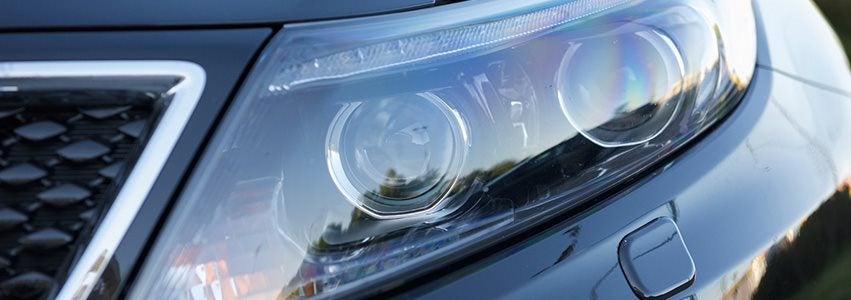
These days headlights have come a long way, but unfortunately they can still yellow and cloud over. For about ten years of more, headlights have been composed of polycarbonate plastic. Even though this plastic is quite strong and light, it has a huge flaw. Sunlight causes the material to cloud over and yellow. Splintering, or as it's also called, “craze” will occur over time. This decreases the amount of light that can actually pass through. Look below and you will see various methods of cleaning headlights.
You have only two options when this occurs : replace the assembly by purchasing some Nissan headlights from our Daytona Nissan Parts Store, or restore clarity to the plastic yourself. Clarity can be restored in several different methods. The standard toothpaste trick is a good one, and then the other is a tad more complicated. However, the second method is a whole lot more effective over the long term.
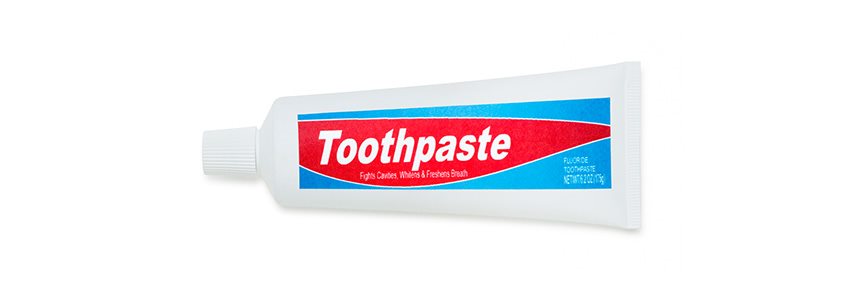
Clean With Toothpaste
A relatively inexpensive way to clean your headlights can be to bust out the toothpaste. This may be the low cost trick but you need keep two things in mind. The toothpaste won't get rid of any thick grime or repair the cracks in the headlights. In addition to this, you'll most likely need to clean them pretty often if you to keep them clear. The method is super easy, but just involves a little bit of applied work. To clean the headlights this way you'll need:
- Standard non-mint, non-whitening toothpaste (IMPORTANT: those types of toothpaste will damage the plastic)
- Soft clean cloths
- Clean water
- Headlight polish and sealant
Put some toothpaste on a dry cloth and buff the headlight. Do this with a circular motion. Keep going until the headlight plastic is clear. Here can be where some hard work is involved. The more cloudy the headlights have become, the longer the cleaning process will take. Once you're satisfied, rinse with water and air dry, or use a cloth. Seal it then by using the headlight polish with a dry cloth.
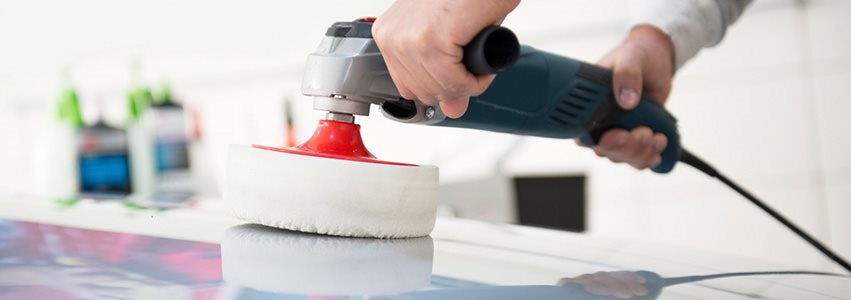
Buff Scratches Away
This second method is way better for headlights with cracking. And remember, the term “cracking” doesn't mean the headlight has actually cracked. It means that the surface has a splintered look. Proper buffing will get rid of this. You'll need the following:
- Water
- Soap
- Towel
- Sponge
- Glass cleaner
- Soft cloths
- 1000 and 1600 grit wet/dry sandpaper
- Rubbing compound
- Not required but helpful: An electric buffer
- Blue masking tape
Wash the headlight and dry it entirely. If there's any residue remaining, clean the headlights again with glass cleaner. Next, mask off the areas around the lenses for protection while finishing the rest of the process.
Using the 1000 grit sandpaper dipped in some water, sand the lenses, working in small areas at a time. Next, apply the 1600 grit paper (dipped in water) and use a circular motion in the opposite direction. When the lenses have become clear you can stop. and then utilize the rubbing compound with a soft cloth to buff the lenses. This will remove any scratches made by the sandpaper.
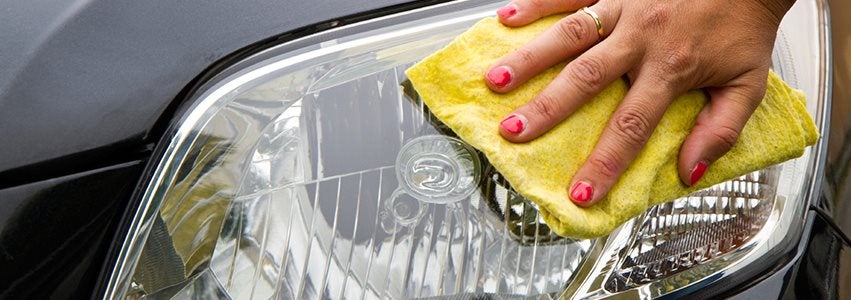
Protecting Your Headlights
Once you've restored your headlight lenses to looking new, you can protect them.
The lenses are coated with a protective layer when they're produced in a factory. This layer is gone by the time you need to clean them. Even if a little remains, it won’t be very much left once you finish restoring the lenses' clarity.
You can use a few different sealing products that coat and seal headlight lenses. Follow all the directions for these sealing products to get full protection. Most products only need to be applied with a soft cloth and then let dry. Other types might need buffing to regain clarity.
Keep in mind, you need to allow these products to totally dry before getting the lenses wet, either by washing your car or being out in the rain. This will get the best protection and keep the headlights working in tip top shape.
Your results can vary. It all depends on your specific headlights’ condition when you begin the process, and it also depends on the actual work you are committing to the project. Whatever method you employ, make sure you have left yourself plenty of time to do the job completely. In the end, you just need to give it a night and be suprised the next morning when your headlights look like new.
Related Posts:
 Huge Inventory of Used Cars for Sale at Daytona Nissan /span>